Investing · · 5 min
Top Market Manipulation Strategies in the Financial Markets

Archived article from 24 January 2022. Prices, results and products change, so check the current details before you buy or trade.
Amid all the regulatory measures in the financial markets, not all participants play by the rules. Claims of some players engaging in illegal practices to gain an edge have always been rife. Market manipulation is a problem that has always been in existence and is likely to continue with the development of sophisticated trading systems.
Understanding market manipulation
Market manipulation is simply the use of criminal or unethical means to change the price of a financial instrument for one’s own benefit. The act of inflating or deflating an asset price to trick other market participants is always a big problem.
While the practice is illegal in all sense, it’s become increasingly difficult for regulators and authorities to stem the vice. Detection of such techniques has been made extremely difficult by a significant increase in investors and traders.
How it works
The illegal practice entails players with significant financial power using various means to trigger a significant increase or decrease in the underlying security price. Once the price has been inflated or deflated, there is usually a big gap between the prevailing price and the true price where the security ought to trade at.
The discrepancy in price presents an opportunity for the manipulators to take advantage of using more complicated means. By taking advantage of the discrepancies, the idea is to take the security price back to its true price after manipulation.
Below are some of the common types of market manipulation.
Wash trading
While illegal in most jurisdictions, the practice has been in operation for decades and continues to grow in popularity with the development of high-frequency trading systems. With wash trading, an investor or a trader with a sufficient amount of market buys and sells financial instruments over and over again, all in the effort of driving its volume.
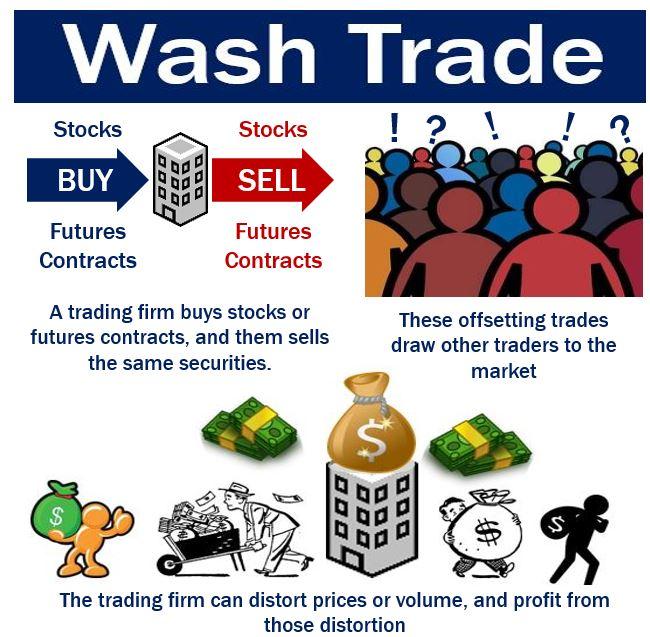
A significant increase in volume is known to attract more players. In the end, the schemer only ends up shorting the market catching most participants off-guard on trying to take advantage of artificial volume.
Fake news
Fake news is emerging as a big problem fuelling market manipulation. It is common knowledge that large media and savvy market players often spread fake news about a company or the entire market, all in the effort of duping unsuspecting investors.
In the penny stock market, it is a big problem whereby unknowing investors have based their trading decisions on fake news, taking part in manipulating stock prices unknowingly. The use of fake news causes the price to move in a given direction that the manipulators want.
In return, they end up fading the move before the unknowing investors realize the fake news has duped them. The best way to stay clear of this unethical practice is to rely on reputable news sources when making investment decisions.
Pump and dump
It is a scheme that is often propagated via mass email or regular email and finds great application around penny stocks. In this case, the perpetrators feed the market with bullish proclamations about security, hinting that its price is destined to skyrocket.
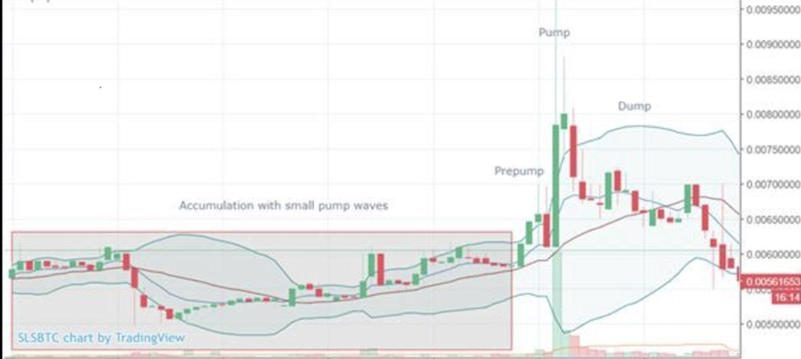
Unsuspecting traders often agree with the bullish proclamations opting to buy the securities, therefore driving its price and volume up. Once the retail investors have committed sufficient capital, driving prices higher, the scheme's promoters enter short positions, thus, dumping the securities.
The result is usually a plunge in prices, leaving the unknowing retail investors with worthless holdings. The best way to avoid such pump and dump schemes is not to pay attention to bullish ads by promoters. Carry your own due diligence and analysis.
Spoofing
Spoofing is a market manipulation tactic perfected by short-term investors. The play entails placing orders with no intention of executing them. The idea is to try and fool the overall market that a big whale is planning to enter a big trade likely to drive price in a given direction.
In a bid to get profit from a big whale pushing prices, small investors also place similar trades. However, large orders are usually withdrawn before the market opens, causing retail investors' orders to be filled. Once the retail traders accrue losses, the short-term investors enter the market and try to profit from other investors' losses.
The best way to stay clear of short-term spoofing is to play the long-term game and avoid short-term trading.
Bear raiding
Large players can cause security prices to decline significantly. This is usually achieved by placing large sell orders on a security that is tanking. The result is a significant drop in prices as stops are hit to the bottom. As prices are tumbling, some traders panic, join the fray, and start selling their holdings.
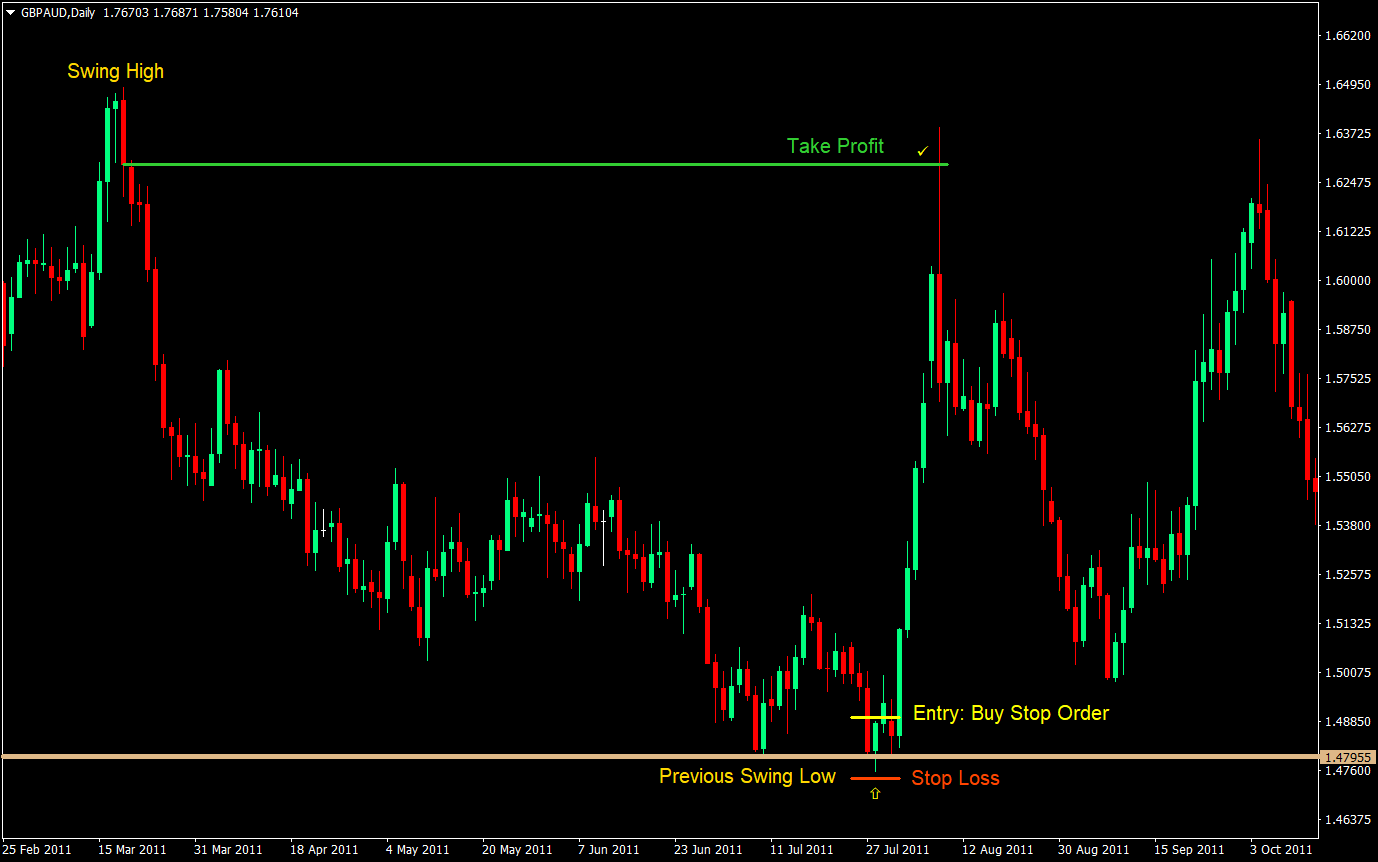
Once the asset price has dropped significantly, the large players or bear raiders are known to enter buy positions by taking advantage of the artificial discount. By placing large buy orders, the bear raiders cause the price to reverse, therefore profiting on a significant price jump.
Currency manipulation
Currency manipulation is a special case carried out on the highest levels by governments and central banks. It entails affecting policies that manipulate the currency value, all in the effort of affecting a country’s balance of trade.
Devaluation is one such practice whereby a country lowers the value of its currency to make its exports cheaper compared to alternatives from other nations. While imports decrease, the result is strengthening of the local businesses and shrinking of trade deficits.
In 2019 the Chinese central bank devalued the yuan to a reference rate of 7 against the dollar in a bid to make the country’s exports cheaper. The action came into play following the move by Washington to impose a 10% tariff on $300 billion of Chinese goods.
While currency manipulation is not illegal, it often triggers a string of measures from other countries in the form of sanctions.
Final thoughts
Market manipulation is an issue that has no remedies given the new tact’s that are increasingly cropping up. The best way to stay clear is to rely on information from regulatory filings or reputable sources. Additionally, investing for the long term can go a long way in staying clear of such practices, as most of them are short-term.
Don't miss: The Best Forex Robots in 2021