Guides · · 3 min
What Is Automated Trading? How Trading Bots and EAs Work
Automated trading turns a strategy into code that places orders for you. How it works, the main types and what it can and cannot do.
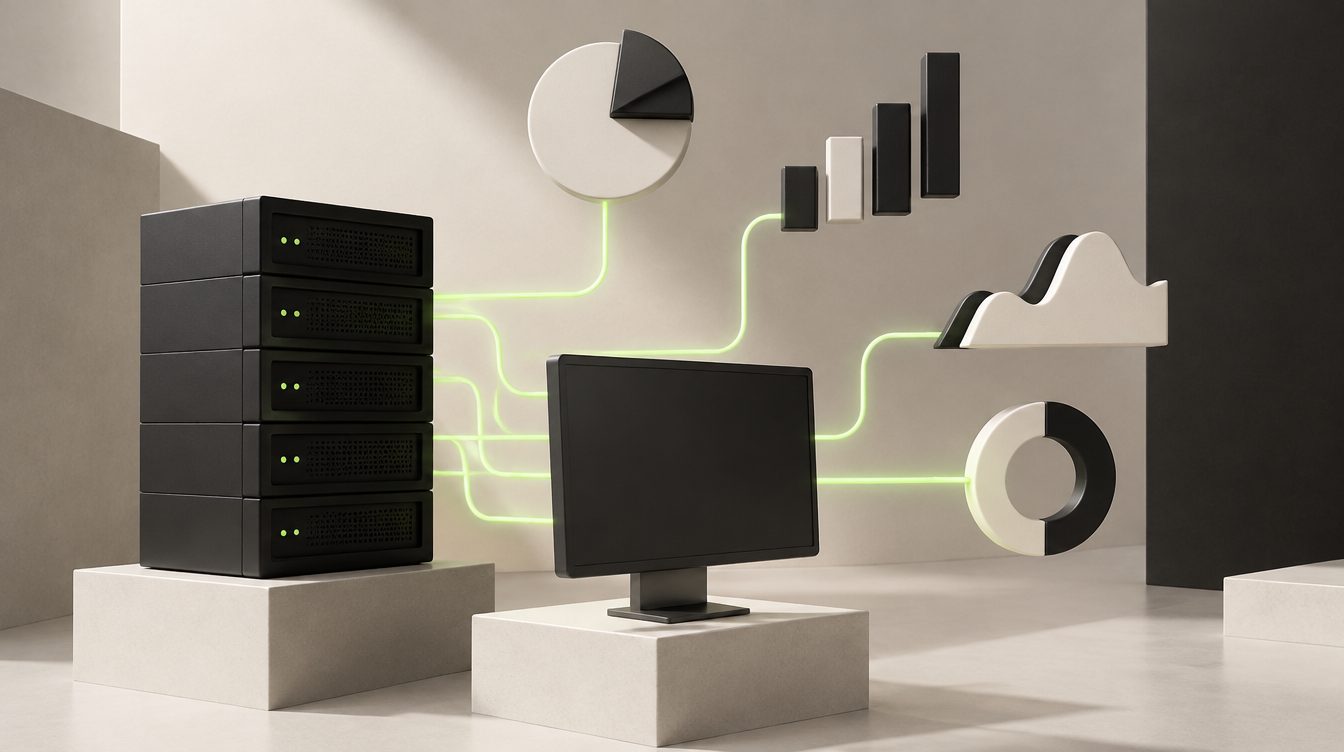
Automated trading is the use of a computer program to place buy and sell orders when pre-set rules are met, without a person clicking each trade. In retail forex it usually means an expert advisor or trading bot running on MetaTrader, a broker platform or a cloud service.
The short version
- Automated trading turns a strategy into code that watches prices and sends orders.
- Common forms are expert advisors, trading bots, copy trading and broker algorithms.
- It removes emotion and keeps rules consistent, but it cannot adapt on its own.
- Results depend on the strategy, testing and costs, not on automation itself.
How does automated trading work?
Every automated system follows the same loop. It receives market data, checks it against its rules, and sends an order to the broker when a condition is true. It then manages the open position, moving stops or closing the trade according to more rules.
- Rules. Entry, exit, position size and risk limits are written as code, for example in MQL4 for MetaTrader 4 or Python for an API.
- Data. The program reads live prices from the platform or broker feed.
- Execution. Orders go straight to the broker, often in milliseconds.
- Monitoring. The system logs every action, and good set-ups alert the trader when something goes wrong.
Types of automated trading
| Type | Where it runs | Who controls the rules |
|---|---|---|
| Expert advisors (EAs) | MetaTrader 4 or 5 | You, or the developer you buy from |
| Crypto trading bots | Exchange APIs or cloud platforms | You choose a template such as grid or DCA |
| Copy trading | Broker or social platform | The trader you copy |
| Custom API algorithms | Your own server or VPS | You write and run the code |
| Institutional algorithms | Bank and fund systems | Professional quant teams |
For crypto examples, see our guides to automating a grid trading strategy and scalper bots. For forex, our forex robot reviews cover hundreds of commercial EAs.
Pros and cons of automated trading
Advantages
- No emotional decisions once the rules are set.
- Can watch many markets at once, around the clock.
- Rules can be backtested on historical data before you risk money.
- Fast, consistent execution.
Disadvantages
- A strategy that fits past data can fail when the market changes.
- Technical failures, such as a lost connection or a coding bug, can cause losses.
- Bought systems are often black boxes, so you cannot see the risk you are taking.
- Marketing for bots often overstates what they can do.
The CFTC warns that AI won't turn trading bots into money machines and that promises of very high returns or near-perfect win rates are red flags.
Does automated trading work?
Automation is a tool, not a strategy. It works well for executing a tested, rule-based plan and for chores like trailing stops. It does not make a weak strategy profitable. Across the forex robots in our archive, the average score was 4.35 out of 10, and the main reasons were over-optimised backtests and risky money management. Our guide do forex robots work? goes through the numbers.
How to get started with automated trading
- Write down your strategy as exact rules before touching any code.
- Pick a platform: MetaTrader for most forex brokers, or an exchange API for crypto.
- Backtest, then forward-test on a demo account for several weeks.
- Go live with a small account and a hard maximum loss.
- Keep the system online with a VPS and check it daily. Our guide to installing an EA on MT4 shows the set-up.
Automated trading still carries the full risk of leveraged markets, so only trade money you can afford to lose.
FAQ
Is automated trading legal?
Yes. Retail traders can legally use automated systems with brokers that allow them. Selling a system with false performance claims, however, can break financial and consumer rules.
Is algorithmic trading the same as automated trading?
The terms overlap. Algorithmic trading usually describes the rules and maths behind the decisions, while automated trading describes the execution without manual input.
Do I need to code to use automated trading?
Not always. You can buy an EA or use a bot template, but coding your own rules gives you far more control and understanding of the risk.
How much money do I need for automated trading?
There is no fixed minimum, but the account must be large enough for the system's position sizes and stop losses at a small percentage of risk per trade, plus any VPS or software costs.