Crypto trading · · 4 min
How LP Tokens Work and What Are They for?
Archived article from 1 March 2022. Prices, results and products change, so check the current details before you buy or trade.
Liquidity providers are an important part of the trading and investment field. In Wall Street, liquidity providers like Virtu Finance and Citadel Securities ensure that customers’ orders are filled at the fastest possible.
Without them, it is difficult to imagine how Wall Street would function. The same is true when it comes to the fast-evolving industry of cryptocurrencies. In this article, we will look at what Liquidity Provider Tokens (LP) work and what they are used to doing.
What is decentralized finance?
Decentralized Finance (DeFi) is a new and fast-growing industry whose goal is to change how the financial industry works. For a long time, the industry was dominated by many centralized financial entities like Goldman Sachs and Morgan Stanley.
The centralized financial industry has worked well, and it seems like most people are comfortable with their banks. However, the industry has helped to create the unequal society that we have today.
DeFi aims to change this by bringing in transparency and decentralizing the power that exists in the industry. With DeFi, you can easily deposit your funds and earn a better interest rate than what the bank gives you. You can also trade digital assets without the need for going through a centralized entity like Coinbase and Binance.
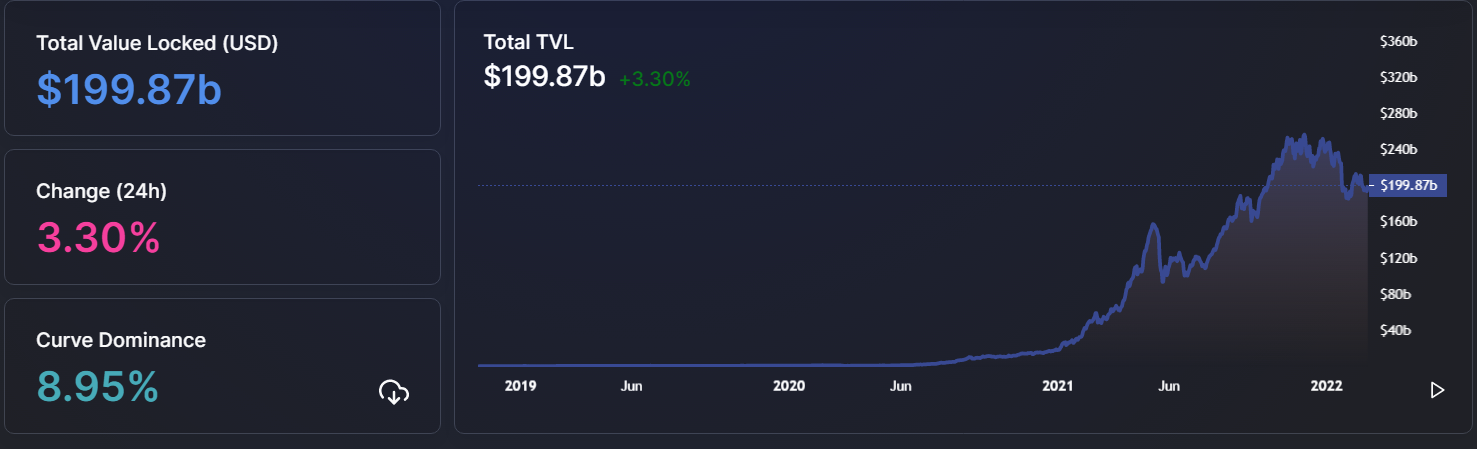
DeFi has been on a strong growth path in the past few years. As you can see below, the industry has slightly below $200 billion in total value locked (TVL), while in 2019, it had less than $1 million.
What are liquidity pools?
In centralized banking, banks tend to have a wider place to get funds that they can then use to invest and give out as loans. The most efficient source of liquidity for banks is customer deposits. Whenever you deposit funds in your bank account, you basically give the bank the right to use these funds as needed. You also have the right to access these funds whenever you need them.
Banks also have a central bank as a source of liquidity. In most countries, banks can borrow funds from a central bank and then repay it back with a small interest. In the US, this lending is known as Overnight Bank Funding (OBF).
The same concept works in the DeFi industry. But in their case, DeFi platforms that offer lending and trading services don’t have a free source of liquidity.
As a result, these platforms use what is known as a liquidity pool. This is a situation where one group of players lock their cryptocurrency tokens in a DeFi ecosystem using smart contract technology. They do this with a promise that they will receive a good return when the DeFi platform lends out money to borrowers. These pools act as an Automated Market Maker (AMM).
The main benefit of liquidity pools is that they ensure that DeFi platforms are able to run smoothly and at all times. Additionally, DeFi traders don’t need to know the counterparty that is borrowing their tokens.
Examples of top liquidity provider tokens
There are many LP tokens in the market, and the number will keep rising in the coming years as the DeFi industry grows. So, here are some of the top LP tokens that you can invest in.
Balancer
Balancer is a leading Decentralized Finance platform built using Ethereum’s blockchain. It was among the first DeFi platforms to embrace the concept of AMM. Today, Balancer has thousands of users from around the world. They can invest in automatic cryptocurrency portfolios. You can also invest by providing liquidity in the platform and generating returns.
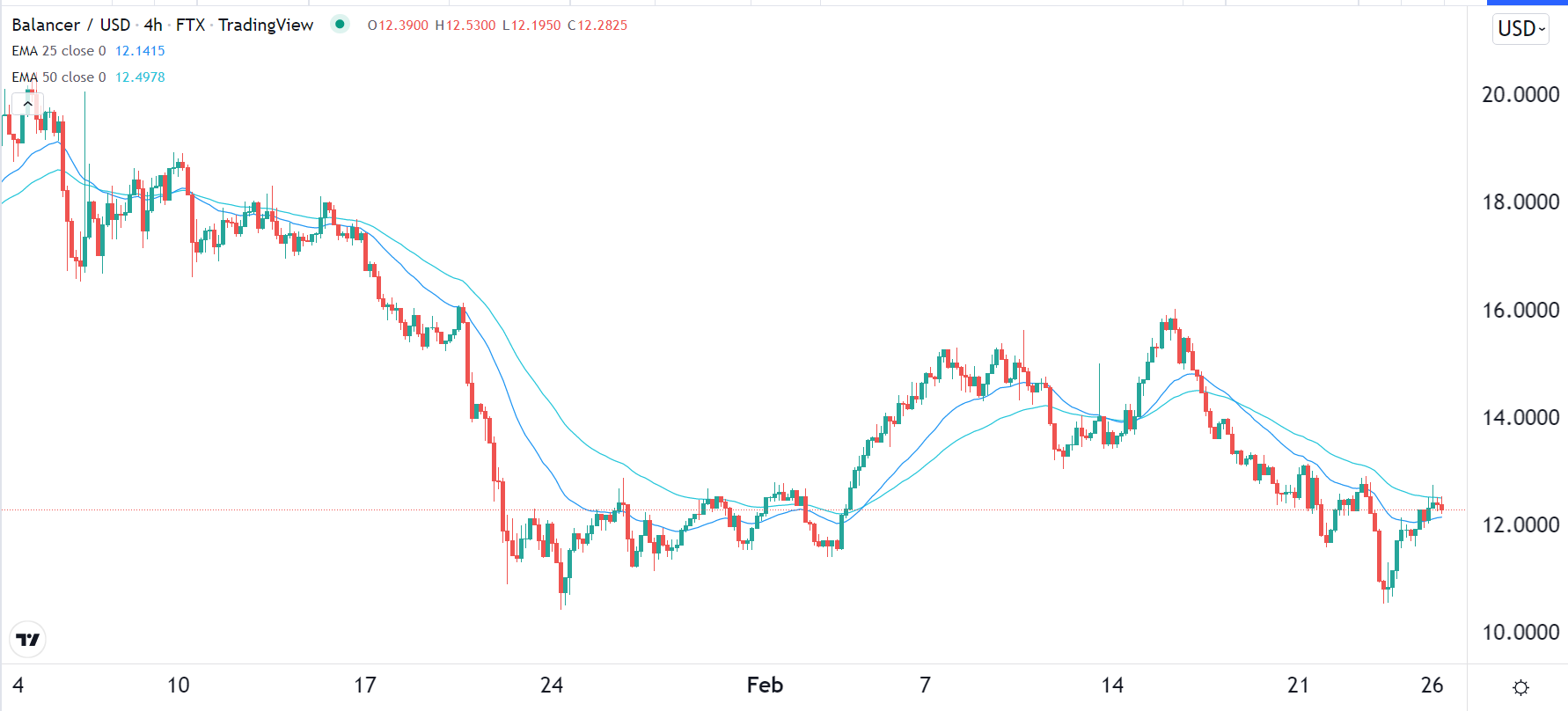
Balancer’s liquidity platform has been embraced by some of the biggest players in the DeFi industry. Some of the most popular projects that use Balancer are Ocean Protocol, Gyroscope, Aave, and PowerPool. It has a total value locked of over $2 billion.
Bancor
Bancor is another liquidity provider that was started in 2018. The network helps people to trade crypto assets and earn funds by providing liquidity to the network. It is an Ethereum-based protocol, meaning that people need to deposit ERC tokens.
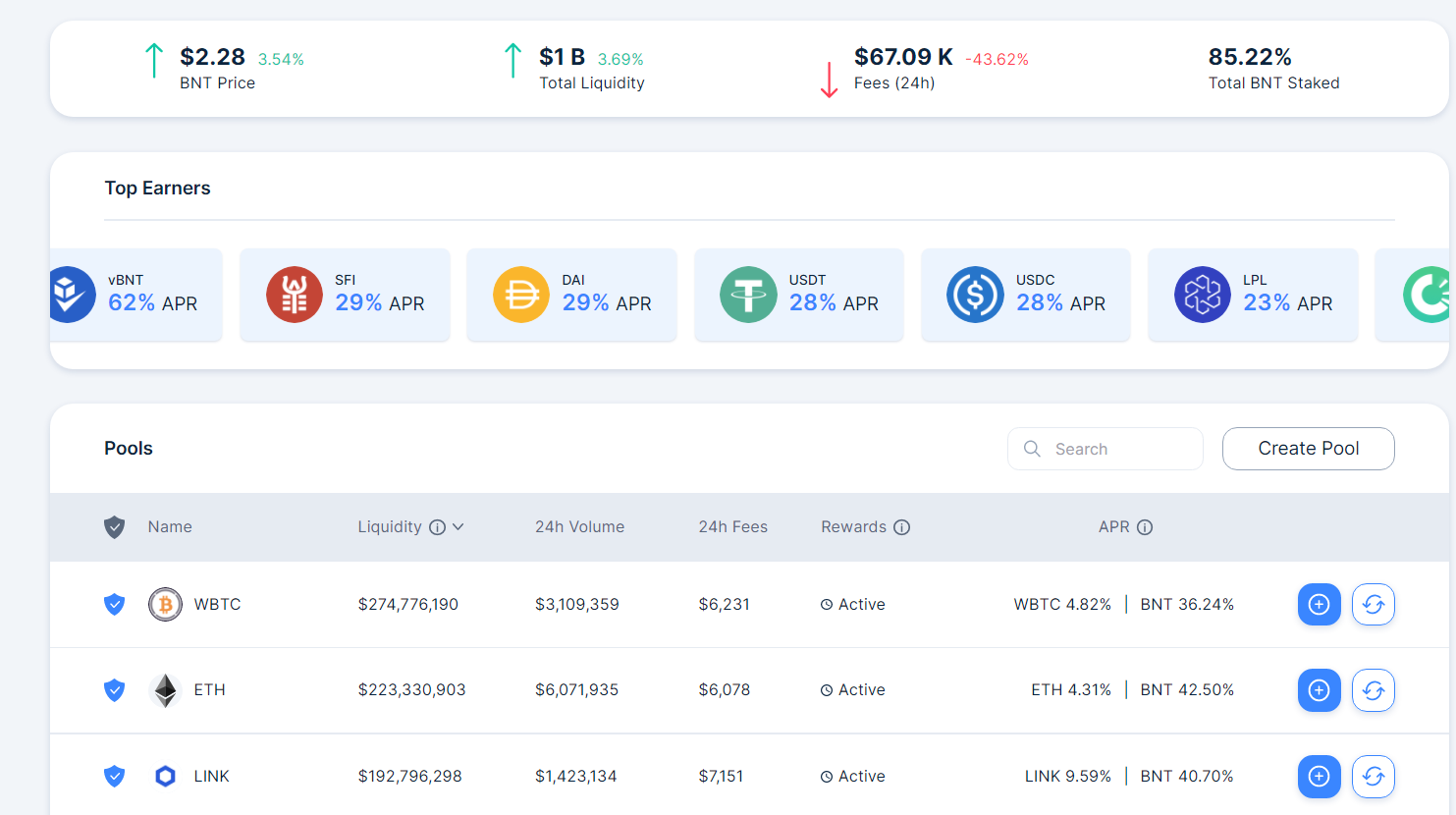
Also, it is operated by Bancor Decentralized Autonomous Organization (DAO). The chart below shows the overall yields that people are receiving in the Bancor ecosystem. At the time of writing, it has available liquidity of $1 billion.
Benqi
Benqi is another popular liquidity pool. Unlike the previous two platforms, Benqi was built using the Avalanche network. Avalanche is an alternative to Ethereum and is known for faster speeds and more scalability.
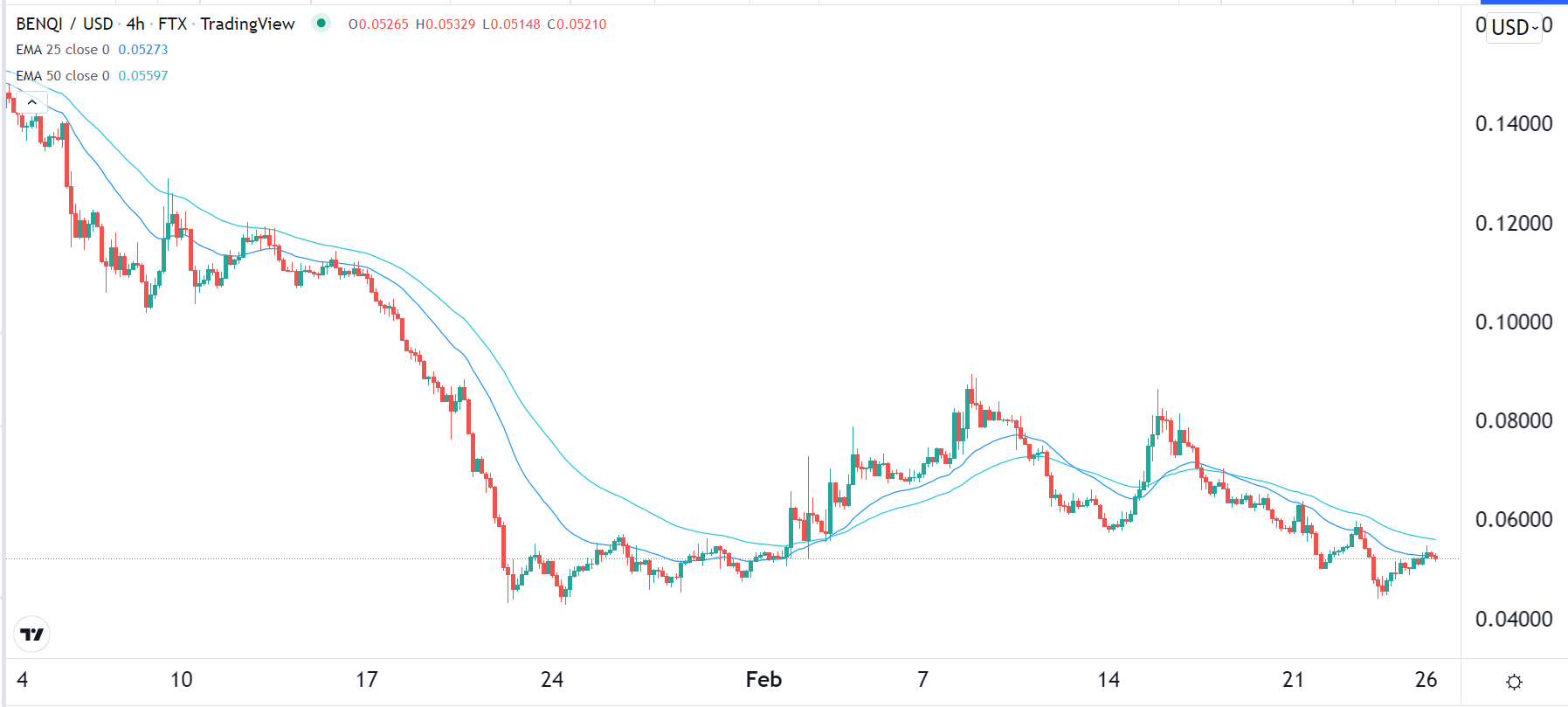
Benqi has two main solutions. It has an automated market maker and liquid staking. With the latter option, you can stake your AVAX token and earn interest. The AMM platform allows anyone to deposit and earn interest through the liquidity pool. At the time of writing, the protocol had over $2.8 billion in assets.
PancakeSwap
PancakeSwap is a leading decentralized finance platform built using the BNB chain. It has over 3.5 million users from around the world. According to its website, PancakeSwap processes over 50 million trades a year and has over $12 billion in total value staked. The platform’s main product allows people to trade coins. At the same time, one can earn by simply staking their coins in its AMM protocol.
Summary
Liquidity tokens and pools are a relatively new concept in the financial market, and their role will continue to strengthen in the coming years. In addition to the ones mentioned, other popular liquidity tokens and pools are Convex Finance, Liquidity, and Synthetix.
Don't miss: The Best Forex Robots in 2021